

Pelvic Pain After Childbirth: What You Need to Know
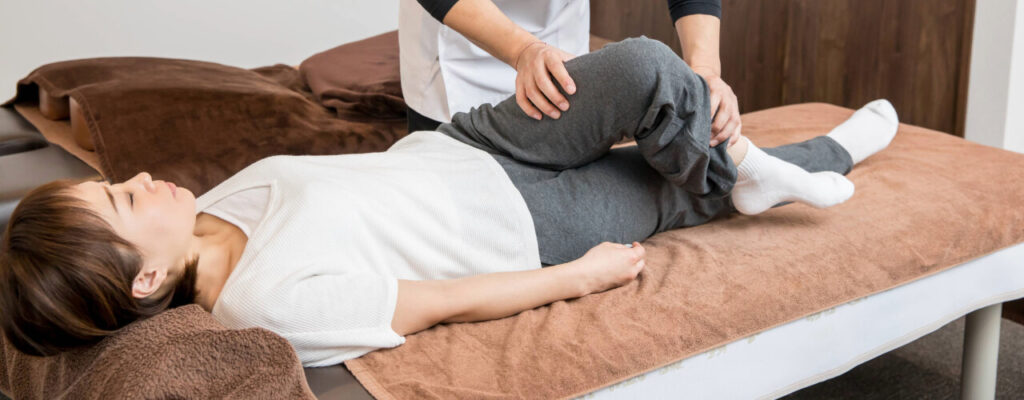
You Deserve Relief From Pelvic Pain After Childbirth
Welcoming a new baby into the world is a joyous occasion, but it can also bring challenges – especially for moms. Mothers can face a variety of physical conditions, like pelvic pain after childbirth. Our team is experienced in helping new mothers navigate recovery with pain relief and support to enhance their postpartum experience.
In this post, we’ll explore conditions associated with postpartum pelvic pain, the symptoms, its causes, and how physiotherapy can provide the relief and support you need.
We’ll help you take care of yourself so you can take care of Baby.
Physiotherapy For Pelvic Pain After Childbirth
A new mother of twins began experiencing discomfort and pelvic pain after childbirth. Postpartum pelvic pain is a broad term that can cover a range of conditions. In this mother’s case, it was primarily due to pelvic girdle pain (PGP) and diastasis recti.
PGP is characterized by discomfort and pain in the joints and ligaments of the pelvic area. The pain can worsen when walking, climbing stairs, or even changing positions when sitting and standing.
The process of childbirth led her to have diastasis recti, which is a condition where the abdominal muscles separate along the midline of the belly. The separation is caused by the stretching of the connective tissue in the abdominal muscles during pregnancy. The condition further contributes to instability, lower back pain, and weakness in the abdominal area.
These are conditions that are not uncommon after pregnancy and childbirth, especially when carrying multiple babies. The primary cause of her discomfort was the strain and changes her body underwent during pregnancy and childbirth. Her pelvis had to adapt to carrying twins, which put extra pressure on her pelvic region.
Her symptoms were particularly noticeable when she walked, stood still, or performed daily activities of self-care.
Symptoms of Pelvic Pain
- Sharp pain and stiffness in the pelvic area
- Difficulty walking
- Instability in her hips
After discussing her medical history and existing conditions, her physiotherapist created a personalized physiotherapy plan to treat her conditions and alleviate her pain.
Physiotherapy Techniques for Pelvic Pain
Pelvic Floor Therapy
The pelvic floor muscles of the uterus, bladder, and bowels were weakened during childbirth. We guided her through targeted exercises specifically designed to help her relearn how to use and strengthen her pelvic floor, abdominals, and diaphragm. The contracting and release movements associated with pelvic floor exercises helped alleviate her pain and improved her bladder control and bowel function.
Manual Therapy
We incorporated hands-on techniques to alleviate pain, reduce tension, and free up restrictions in her soft tissues and joints in the pelvic area. Her PT also worked to restore the natural mobility of her affected joints and muscles, reduce stiffness, and increase range of motion.
Stability and Core Strengthening Exercises
Strengthening the core, including the abdominals, back, and pelvic floor muscles, is important for improving posture and reducing strain on the pelvic area. We designed a personalized exercise program that she could perform both in our clinic and at home. These exercises slowly rebuilt her core strength, enhanced her stability, and prevented postpartum pelvic pain from returning.
What to Expect at Your Physiotherapy Sessions At Elements Physiotherapy and Rehabilitation
This comprehensive combination of therapy helped our new mom begin to see significant improvements in her pelvic pain after childbirth. She regained confidence in her body’s ability to perform daily activities without discomfort, allowing her to focus on the joys of motherhood.
Postpartum pelvic pain can be a challenging condition, but you can manage and improve the symptoms with the right support and treatment. Our team is dedicated to helping moms find relief and strength so they can embrace motherhood with open arms and a strong, healthy body.
If you or a loved one is experiencing postpartum pelvic pain, don’t hesitate to give us a call. We’re ready to help you find relief from the pain.